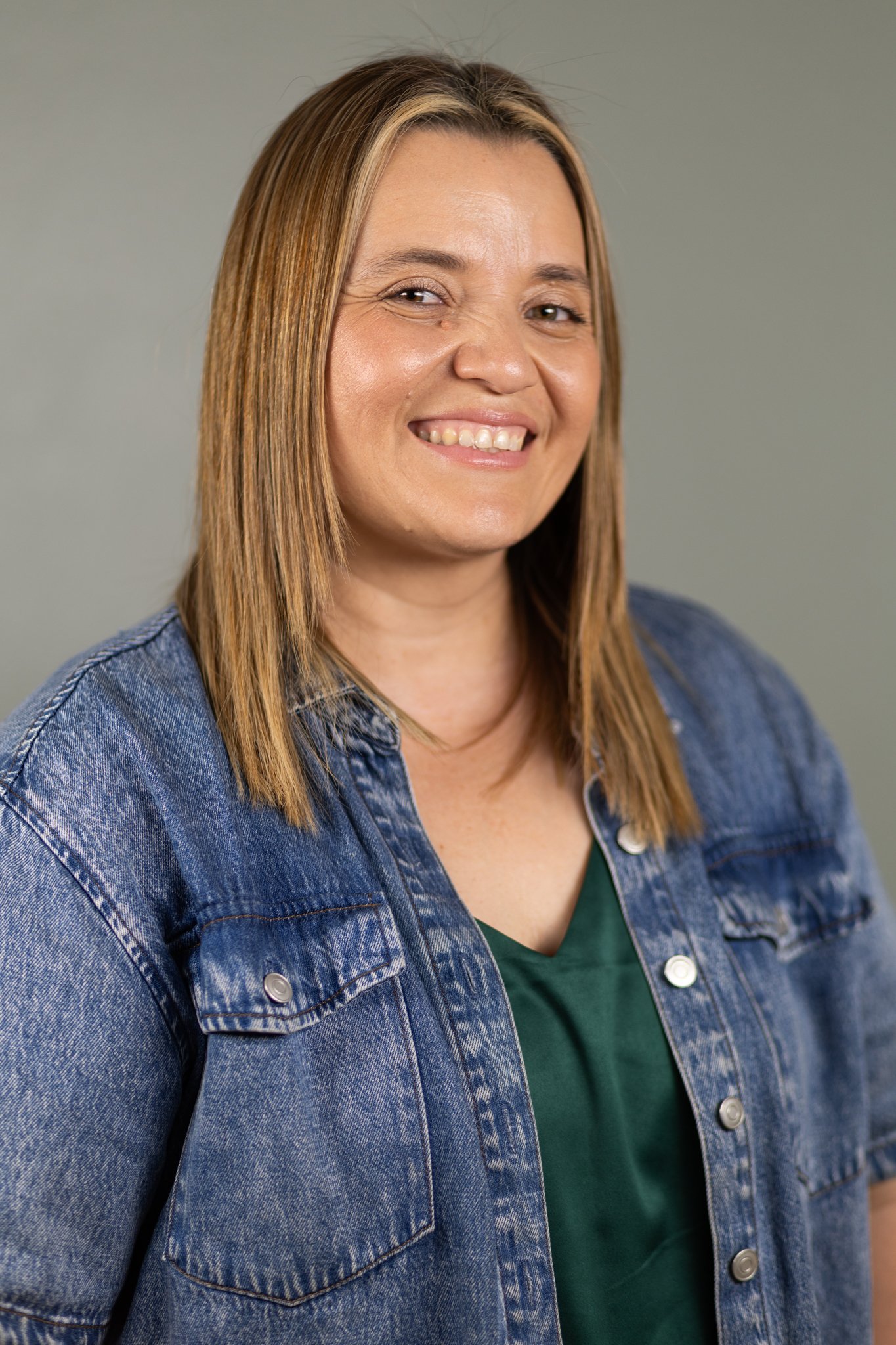
The New Era of Live Selling: Why Live Commerce Is Creating the Next Generation of Entrepreneurs
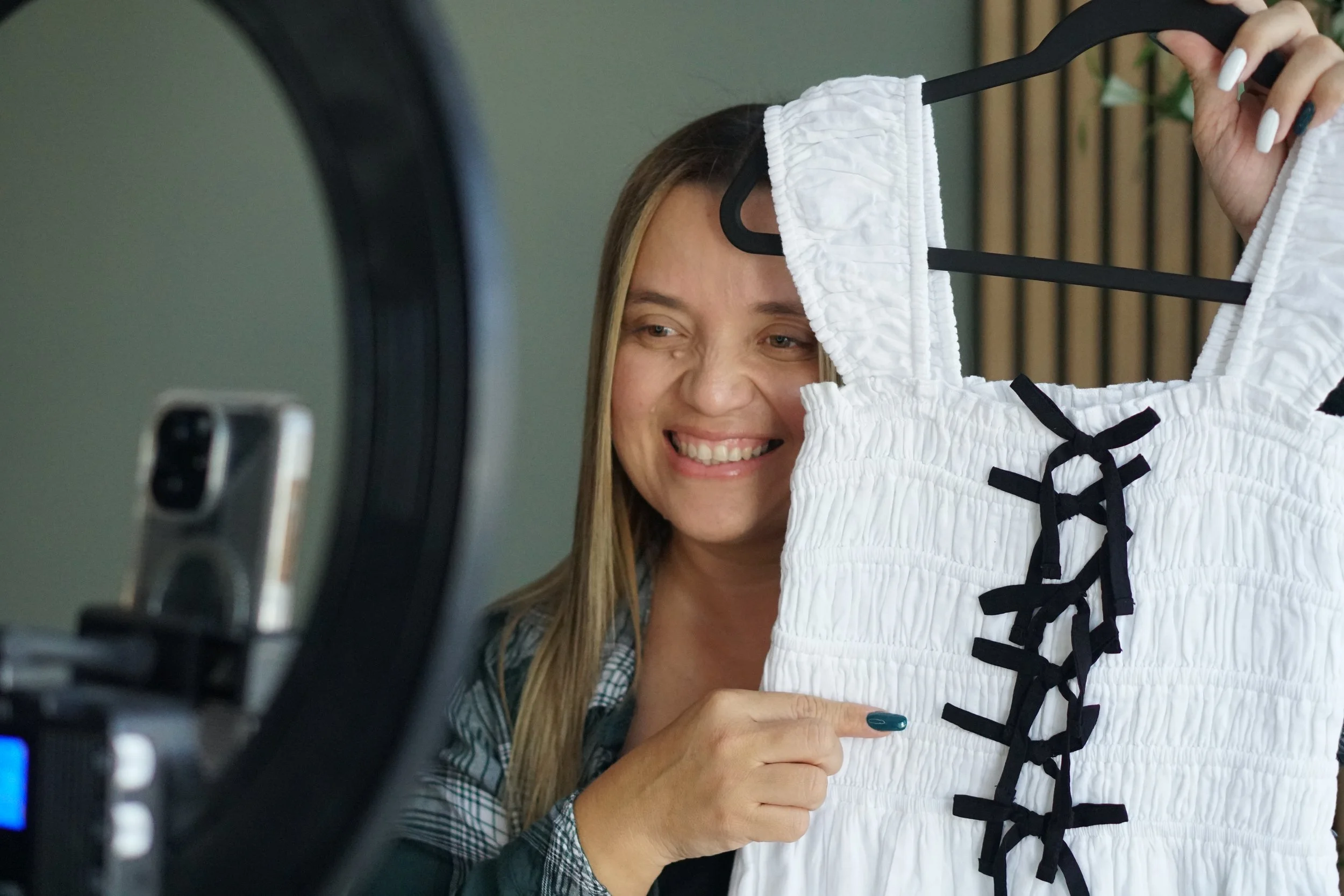
Live selling is no longer limited to one app or one type of reseller. Here’s why community-driven commerce is changing how entrepreneurs build brands, connect with customers, and create income online.
Watch the complete training above to hear my story, see how live commerce is changing, and learn what today’s sellers need to start building momentum.
Four years ago, I was standing in my garage with an iPhone, a ring light, a printer, and a dream I wasn’t sure would work.
I had recently given birth to my fourth child. I was breastfeeding, struggling with postpartum depression, and trying to recover from a business that had failed.
We were carrying $60,000 in debt, and I was desperately looking for an opportunity to help my family.
At first, that meant selling Hawaiian party decorations my neighbor planned to throw away. I made $150 and reinvested the money into furniture from yard sales. My husband and I loaded those pieces into our minivan with our children and sold them through Facebook Marketplace.
Then I started sourcing clothing. I created videos about my yard-sale and estate-sale finds, discovered Whatnot, and learned about live selling.
The opportunity was right in front of me, but so was the fear.
I thought:
I can’t be on camera. My English isn’t good enough. What if nobody watches? What if I embarrass myself?
My first live show lasted less than five minutes. I froze, cried, and ended it.
But I went live again.
Today, Moms & Crumbs operates from a 10,000-square-foot warehouse with a growing team of live hosts, packers, content creators, and support staff. We sell through multiple Whatnot and TikTok accounts, and our family remains involved in the business.
The equipment didn’t create that transformation.
In many ways, the setup barely changed.
I did.
I stopped thinking of myself as someone selling a few products from her garage and started thinking like an entrepreneur.
That is the invitation I’m giving you today.
Because this isn’t just reselling anymore.
This is the new era of live selling.
What Is the New Era of Live Selling?
The new era of live selling is the shift from static online shopping to interactive, personality-driven commerce.
Instead of discovering a product through a traditional website alone, customers can:
Watch a real person demonstrate it
Ask questions in real time
See the product from different angles
Participate in the conversation
Connect with other buyers
Purchase during the live experience
Return for the host and community—not only the inventory
Platforms such as Whatnot helped introduce more sellers to live auctions and community-based shopping. Now TikTok Shop, YouTube Shopping, Amazon Live, and other commerce platforms are expanding the ways people can discover and purchase products through creators and live video.
The platforms will continue to change.
The underlying shift is bigger:
Shopping is becoming content, conversation, community, and commerce at the same time.
Is Live Selling Really Growing?
Yes. Live selling and creator-driven shopping are becoming meaningful parts of online commerce.
In the United States, TikTok reported that TikTok Shop sales increased 120% during the first part of 2025 compared with the same period in 2024. The company also reported more than eight million hours of U.S. LIVE shopping sessions during 2024. Read TikTok Shop’s discovery-commerce report.
Whatnot reported crossing more than $6 billion in sales during 2025, more than doubling its previous year’s volume. See Whatnot’s 2026 live-shopping trends.
YouTube reported that more than 30% of its daily logged-in viewers watched live content during the second quarter of 2025. In 2026, YouTube said more than 500,000 creators were already participating in YouTube Shopping. Read YouTube’s 2026 strategy.
Amazon also continues operating Amazon Live, which combines product education, storytelling, livestreaming, and in-platform purchasing for eligible brands and sellers. Learn more about Amazon Live.
These platforms aren’t building identical experiences, and not every feature is available to every seller. But the direction is clear:
Video, creators, community, and commerce are moving closer together.
The Old Internet Versus the New Internet
Online selling used to center primarily on static stores and product pages.
That isn’t disappearing—but it is being joined by a more personal, interactive shopping experience.
The Old InternetThe New InternetProducts and brand pagesPeople and personalitiesStatic online storesLive interactionOne-time transactionsOngoing relationshipsPerfect product photosAuthentic demonstrationsTraffic driven mainly by ads and searchDiscovery driven by content and communityCustomers scroll aloneCustomers participate togetherThe product is the experienceThe seller helps create the experience
The traditional website asks:
“What do you want to buy?”
Live commerce can ask:
“What are you interested in, who do you trust, and where do you feel like you belong?”
That creates a completely different relationship between the buyer and seller.
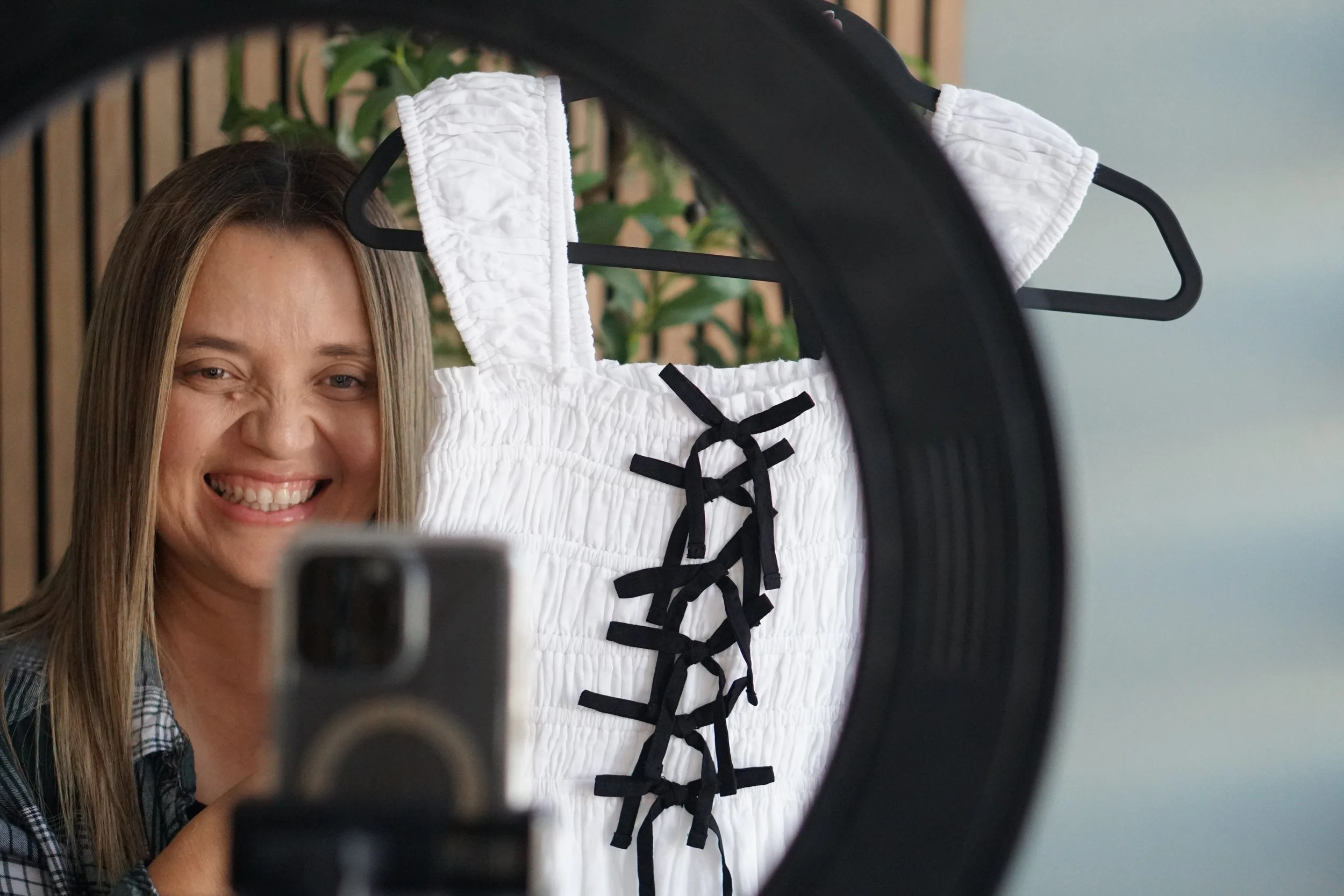
People Don’t Buy Products First. They Buy Belonging.
Amazon may be able to deliver a product faster than I can.
What Amazon can’t do is become someone’s favorite part of the evening.
During our live shows, people enter the chat and say:
“I’ve been waiting all day for this show!”
“Where is Sam?”
“Is Haley going live today?”
“You are my happy place.”
“I don’t need anything. I just wanted to hang out.”
“See you again tomorrow!”
Sometimes viewers don’t purchase at all. They still come because they feel like part of the family.
People call us “the Crumbs.” They call my husband Mr. Crumbs, my children the Little Crumbs, and me Mama Crumbs.
Crumbs isn’t actually our last name—but that doesn’t matter.
It means they feel connected to the world we’ve built.
That connection is one of the most important differences between live selling and a traditional product page.
A customer may enter because of the product.
She returns because of the experience, the host, and the community.
Community is the new commerce.
Every Live Seller Attracts a Different Community
One of the most interesting things I’ve learned while growing Moms & Crumbs is that every live host attracts a different audience.
On one of our TikTok accounts, we had four different streamers with four completely different personalities and backgrounds.
Every host developed her own crowd.
Viewers began asking when a particular streamer would return. They remembered stories from earlier shows. They created inside jokes and continued conversations from the day before.
The streamers were all representing Moms & Crumbs, but they weren’t trying to become copies of me—or one another.
I can train someone on:
Product knowledge
Live-show structure
Selling techniques
Customer service
Platform tools
Brand standards
Shipping procedures
But I don’t want to train the personality out of her.
Personality is part of the value.
Your accent, background, humor, interests, energy, family, and way of communicating will attract people who relate to you.
You don’t need to become someone else to succeed at live selling.
You need to become more confident in showing people who you already are.
You Are the Business
For a long time, I called myself a reseller.
That description was accurate. I sourced products and resold them for a profit.
But as Moms & Crumbs grew, I realized something:
I wasn’t only reselling inventory. I was becoming an entrepreneur.
A reseller may focus on today’s products and sales.
An entrepreneur also begins thinking about:
The brand
The customer experience
Repeatable systems
Inventory supply
Content
Community
Cash flow
Employees
Live hosts
Leadership
Fulfillment
Expansion
The next platform
The long-term vision
The products may begin the business, but eventually, the business becomes bigger than one pallet, category, or platform.
Your audience shouldn’t disappear because one product sells out.
Your entire business shouldn’t collapse because one platform changes.
That is why building a recognizable brand, trusted community, and transferable live-selling skills matters.
Stop Thinking Only Like a Reseller
This doesn’t mean you should stop reselling.
It means expanding how you see the opportunity.
Instead of asking only:
“What can I sell today?”
Begin asking:
What do I want my brand to represent?
Who am I serving?
Why should buyers return to me?
What experience am I creating?
Which products make sense for my customer?
What systems will I need as sales grow?
Could someone else eventually host a show for my brand?
What content could bring new people into my world?
How can this become a real, sustainable business?
What am I building for my family?
The entrepreneurial shift happens when you stop waiting for someone to hand you the perfect opportunity and begin solving the problems in front of you.
From a Garage to a Warehouse
When I began, everything happened inside our garage.
I sourced, sold, organized, packaged, and shipped from the same small space.
Then my neighbors reported the business to the city, and we were given 30 days to remove everything.
At first, I thought the setback might end Moms & Crumbs.
Instead, it pushed us into our first warehouse.
That brought a new collection of problems:
Rent
Employees
Training
Inventory management
Shipping volume
Leadership
Cash flow
Larger sourcing decisions
More complicated systems
I had to stop treating every problem as proof that I wasn’t capable.
A problem can also be an invitation to become the person who knows how to solve it.
The garage version of me couldn’t run today’s Moms & Crumbs.
She had to grow into her.
Stop Waiting for the Perfect Setup
One of the most dangerous things a new live seller can do is wait for perfect conditions.
You may tell yourself:
I need better inventory.
I need a warehouse.
I need an expensive camera.
I need the perfect background.
I need professional branding.
I need more followers.
I need to lose weight first.
I need to become more confident.
I need to speak perfect English.
I need to understand everything before I start.
You don’t.
Start with:
A reliable phone
Stable internet
A basic light
A clean enough background
Products you can describe honestly
A simple selling plan
The willingness to practice
I began with inventory from my home and community. I didn’t buy my first pallet until approximately a year into my reselling journey.
You build the next level while operating the current one.
What Is Working in Live Selling Right Now?
The sellers building real momentum aren’t only selling products.
They’re building experiences around three things:
1. Community
Community includes:
Genuine conversation
Remembering returning buyers
Welcoming new viewers
Sharing relevant stories
Asking questions
Helping people feel seen
Creating recurring themes
Giving the audience a reason to return
A community isn’t simply a follower count.
It is a group of people who recognize you, trust you, and understand what they can expect when you go live.
2. Content
On social platforms, the live show can’t always do all the discovery work by itself.
Content brings new people into your world between shows.
That content might include:
Behind-the-scenes videos
Sourcing trips
Product education
Customer questions
Business lessons
Funny family moments
Shipping days
Live-selling mistakes
Before-and-after stories
Clips from successful shows
Introductions to your team
Your personal journey
Not every post needs to be a direct product advertisement.
Some of the most successful creator-led brands build demand by helping people connect with the person and story behind the product.
You are not only promoting an item.
You are giving people a reason to care who is selling it.
3. Momentum
Momentum is built through:
Repeated live shows
A reliable schedule
Recurring themes
Improving one skill at a time
Following up with customers
Creating content consistently
Learning from every show
Going live before you feel completely ready
You don’t build momentum through one perfect show.
You build it through repetitions.
Consistency Is the Algorithm—and the Relationship
We don’t know every signal used by every platform’s algorithm, and those systems constantly change.
But one thing remains valuable on every platform: consistent activity gives both the platform and the audience more opportunities to understand you.
When you use a repeatable schedule, your customers begin to know:
What day you’ll be live
What time you’ll appear
What products you typically sell
Which host they’ll see
What kind of experience to expect
At Moms & Crumbs, viewers began messaging us when a streamer was late.
They weren’t waiting for a random product.
They had built a routine around the show.
A consistent schedule helps turn:
First-time viewers into followers
Followers into repeat viewers
Repeat viewers into customers
Customers into community members
Community members into advocates
Consistency doesn’t mean going live every day if your life can’t support it.
It means keeping the promise you make.
If you can go live once a week, choose a reliable day and time.
If you can go live twice a week, commit to those two shows.
Then increase your frequency as your systems and capacity improve.
The 30-Day Live-Selling Challenge
When I did my first 30-day challenge in 2022, I wasn’t trying to become perfect.
I was trying to stop quitting.
My first show lasted less than five minutes. I cried and ended it.
But each repetition taught me something:
How to speak on camera
How to welcome viewers
How to create show themes
How to present products
How to use the platform
How to organize sold inventory
How to package orders
How to recover from mistakes
How to keep going when the room was quiet
The opportunity wasn’t only the money I made during those 30 days.
The real opportunity was the consistency I developed.
That consistency created the foundation for everything that came later.
What If You Can’t Go Live for 30 Days?
Start with a schedule you can keep.
Stage One
Go live once a week at the same time.
Stage Two
Increase to two dependable shows each week.
Stage Three
Add more frequency after your sourcing, fulfillment, and family routines can support it.
Stage Four
Refine your strongest show themes, content, and offers based on what your audience responds to.
Don’t create an impressive schedule that you abandon after one week.
Create a realistic schedule that helps you accumulate repetitions.
What Live Sellers Should Stop Doing
Stop waiting for:
Perfect inventory
A warehouse
An expensive setup
Perfect branding
Confidence to arrive first
A large audience
Someone else’s permission
Stop:
Comparing your beginning with another seller’s team
Changing your schedule every week
Disappearing after a slow show
Copying someone else’s personality
Treating two viewers like they don’t matter
Assuming one unsuccessful show defines your future
Building your entire business around one platform
The people creating momentum aren’t waiting.
They’re practicing.
What Live Sellers Should Start Doing
Start:
Following a consistent schedule
Creating content between shows
Improving your product storytelling
Building relationships with repeat viewers
Developing clear show themes
Learning your business numbers
Organizing inventory and fulfillment
Tracking what sells
Showing your real personality
Building a brand people recognize
Studying multiple live-commerce platforms
Creating systems someone else could follow
Thinking like an entrepreneur
Progress and perfection rarely arrive together.
Start where you are.
Build a Brand That Can Travel Between Platforms
Whatnot may be your starting point.
TikTok Shop may become your next opportunity.
Later, it could be YouTube, Amazon Live, Instagram, or a platform that doesn’t exist yet.
You don’t need to join every platform immediately.
You do need to build skills that can travel:
Camera confidence
Product storytelling
Community building
Customer service
Content creation
Offer development
Inventory planning
Shipping and fulfillment
Live-show production
Team leadership
Brand consistency
Platforms rent you access to an audience.
Your skills, systems, story, and customer relationships are the assets you continue building.
You Don’t Have to Host Every Show Forever
As your business grows, live selling can move beyond one founder hosting every hour.
You may eventually train:
Additional live hosts
Product specialists
Moderators
Content creators
Customer-service team members
Inventory assistants
Packers and shippers
This is where the entrepreneurial mindset becomes essential.
You’re no longer asking only:
“How can I sell more products myself?”
You begin asking:
“How can I create a system that helps this brand serve customers even when I’m not the person on camera?”
At Moms & Crumbs, every streamer has her own personality and audience, but she operates inside the same larger brand and customer experience.
That is how live selling begins becoming a company instead of another job you created for yourself.
Can You Build Live Selling Around Your Family?
Yes—but what that looks like will be different for every family.
My four children have all participated in Moms & Crumbs in age-appropriate ways.
One may bring tape when we’re packing. Another helps with pictures and videos. My daughter has become a live streamer. My husband has worked beside me throughout the journey.
Involving our family helped everyone understand the vision and why we were working so hard.
That doesn’t mean your children must become employees or appear on camera.
It means your business can be designed around the life and legacy you’re trying to build.
Your definition of freedom may not be millions of dollars.
It may be:
Paying off debt
Being present with your children
Replacing a traditional job
Creating a second income
Helping a family member
Building retirement savings
Having control over your schedule
Creating something your children can inherit
Ask yourself why you want this business.
Then ask why again.
Keep asking until you reach the answer underneath the answer.
That deeper reason will help you continue when the show is quiet or the opportunity requires you to grow.
Is Live Selling Recession-Proof?
No business is completely recession-proof, platform-proof, or guaranteed to succeed.
Consumer spending changes. Platforms change. Product demand changes. Businesses still need healthy margins, financial discipline, reliable sourcing, and good customer service.
However, live selling can help entrepreneurs develop portable and resilient skills:
Selling
Communication
Content creation
Community building
Sourcing
Merchandising
Customer service
Leadership
Fulfillment
Adaptability
Those skills can be applied across categories and platforms.
The goal isn’t to believe nothing bad can happen.
The goal is to become more capable of adapting when it does.
The New Era of Live Selling Framework
To build a live-selling business for the future, focus on five areas:
1. Show Up
Choose a schedule you can keep and begin accumulating repetitions.
2. Connect
Treat viewers like people, remember them, and give them a reason to participate.
3. Create
Use content to share your personality, story, knowledge, and behind-the-scenes journey.
4. Systemize
Create repeatable processes for sourcing, shows, inventory, shipping, customer service, and team training.
5. Expand
Once the foundation is working, test new products, hosts, platforms, and growth opportunities intentionally.
You don’t need to do all five perfectly today.
You need to begin building them.
Live Selling FAQ
What is live selling?
Live selling is the process of presenting and selling products through real-time video. Viewers can interact with the host, ask questions, watch demonstrations, and purchase during the broadcast.
What is live commerce?
Live commerce combines livestreaming, product discovery, audience interaction, and ecommerce. Live selling is one of the primary formats used within live commerce.
Is live selling the future of ecommerce?
Live selling is becoming a larger part of ecommerce as platforms invest in shoppable video, creators, livestreaming, and in-app checkout.
Traditional online stores will continue to exist, but interactive and creator-led shopping is becoming a more important way people discover products.
Which live-selling platform should I start with?
Choose the platform that fits your products, audience, eligibility, and preferred selling format.
Whatnot may work well for auctions, collectibles, fashion, and community-based live shows. TikTok Shop combines live selling with short-form content and discovery. YouTube Shopping and Amazon Live offer different creator and brand opportunities.
Learn one platform well before adding several at once.
Do I need a large audience to begin?
No. Your first shows may have only one or two viewers.
Your initial goal is to practice your show flow, learn the platform, serve the people who enter, and give them a reason to return.
Do I have to be an influencer?
No. You need to communicate clearly, show the product honestly, and build trust.
Influence is created by consistently helping, entertaining, educating, or connecting with people.
Do I need an expensive live-selling setup?
No. Many sellers begin with a phone, stable internet, a basic light, organized inventory, and a clean enough background.
Upgrade your setup after you understand what your shows need.
How often should I go live?
Choose a frequency you can sustain consistently. One dependable weekly show is more valuable than scheduling five and canceling four.
What if nobody watches my live show?
Continue practicing as if the replay and next viewer matter. Explain your products, tell stories, answer common questions, and review the show afterward.
Quiet shows are still repetitions.
Can I hire someone else to host live shows?
Yes. As your business grows, you can train live hosts to represent your brand while keeping their own personalities.
Create clear expectations around product knowledge, customer service, show structure, compliance, and brand values.
Can live selling become a full business?
Yes. A live-selling business can eventually include sourcing, content creation, multiple hosts, fulfillment, customer service, wholesale purchasing, and multiple sales channels.
Results vary, and growth requires systems—not only more hours on camera.
You Are Still Early—But You Have to Begin
The opportunity in live commerce is real, but it isn’t automatic.
It isn’t for the person waiting for confidence to arrive before taking action.
It is for the person willing to:
Stay consistent
Adapt
Learn
Practice
Solve problems
Serve people
Keep showing up when only two viewers are watching
Build systems as the business grows
You don’t need to become perfect.
You need to become consistent.
Your first live may not change your life.
But it may begin changing who you believe you can become.
Watch The New Era of Live Selling Training
Watch the complete training to learn how live commerce is changing, what is working right now, and how to begin thinking like a live-selling entrepreneur.
Build Your Live-Selling Business With Moms & Crumbs
You don’t have to figure out live selling alone.
Learn from Cindy’s real experience building Moms & Crumbs from a garage-based reselling business into a multi-platform live-selling company.
Continue Learning
About Cindy Calderon
Cindy Calderon is a multi-seven-figure reseller, one of TikTok’s top live sellers, and the founder of Moms & Crumbs.
After starting as a stay-at-home mom of four with $60,000 in debt, Cindy built a live-selling business that has shipped more than 400,000 orders and earned more than 70,000 five-star reviews.
She now helps aspiring sellers build confidence, create community, source smarter, and grow real businesses through live selling.
Final reminder: The future of live selling won’t belong only to the most talented people. It will belong to the people willing to adapt, connect, and keep showing up.